Inverter Batteries
An inverter battery is the heart of any backup power system. It stores direct current (DC) energy from the grid, a generator, or solar panels and supplies it to the inverter, which converts it into alternating current (AC) for your appliances. Without a dependable battery, even the most expensive inverter is useless during a blackout. Understanding how inverter batteries work, the different types available, and what influences the price of 200Ah inverter battery in Nigeria will help you invest wisely and enjoy uninterrupted power for years.
How Inverter Batteries Work
When the grid is active, the inverter charges the battery using electricity from NEPA. During an outage, the battery discharges its stored energy into the inverter, which powers your lights, fans, TVs, and computers. In a solar setup, solar inverter batteries are charged by solar panels through a charge controller, providing free, renewable backup. The chemical reaction inside the battery—whether lead-acid or lithium-based—releases electrons that flow as current. Recharging reverses this reaction, ready for the next cycle.
Types of Inverter Batteries
Understanding the types of inverter batteries available in Nigeria helps you match the right battery to your budget and lifestyle.
Flat-Plate Batteries – Entry-level, budget-friendly batteries suitable for light, infrequent use. They have a shorter lifespan and are best as a temporary solution.
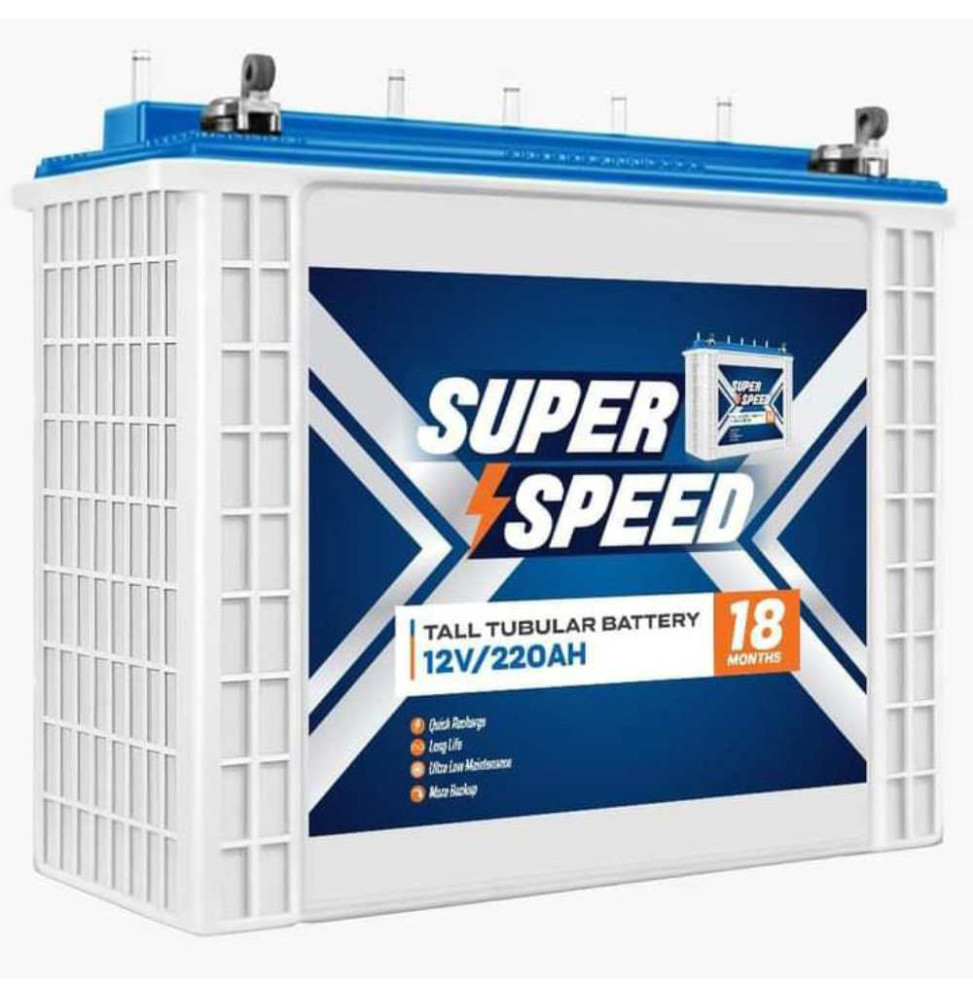
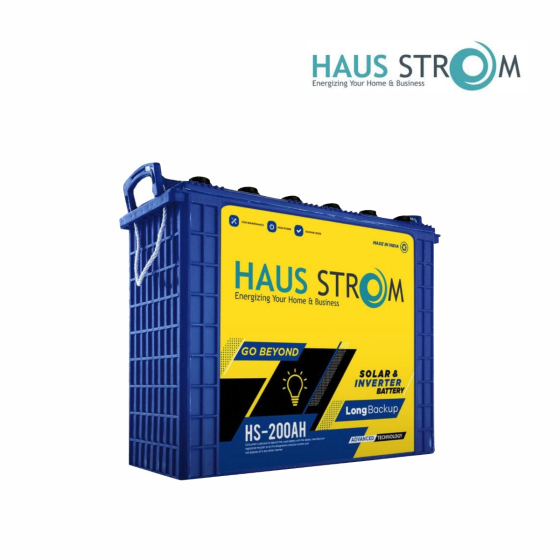
Tubular Inverter Batteries – The most popular choice for Nigerian homes and offices. These deep-cycle batteries use a robust tubular positive plate design that withstands frequent deep discharges. Tubular inverter batteries deliver reliable performance for 4–6 years and are available in 100Ah, 150Ah, 200Ah, and 220Ah capacities.
Gel Batteries – Maintenance-free with a gel electrolyte. They are spill-proof, produce no fumes, and are ideal for indoor installation or sensitive environments like hospitals and server rooms.
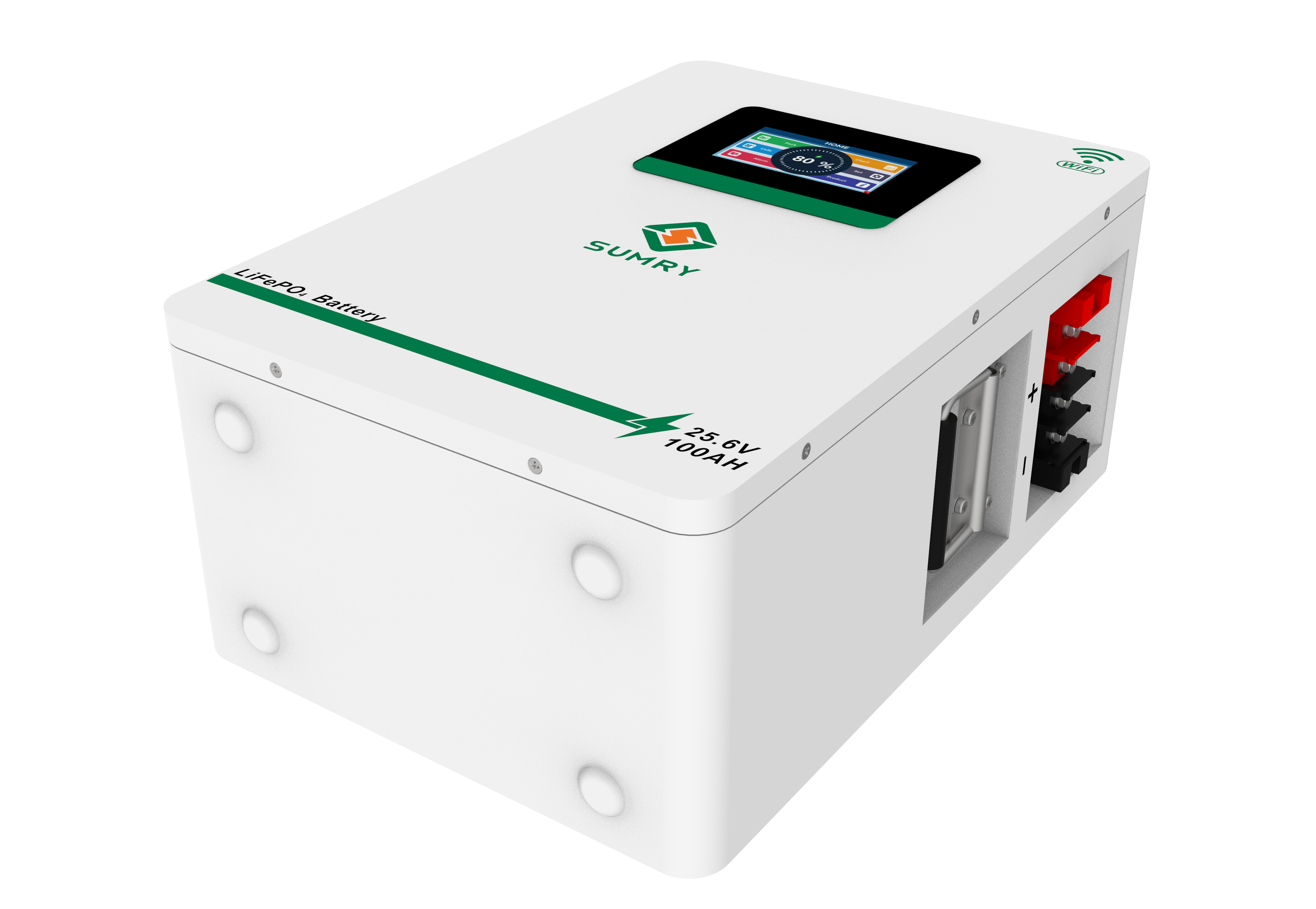
Lithium Inverter Batteries – The premium option. Lithium iron phosphate (LiFePO4) batteries from brands like Pylontech, Huawei, Deye, and EcoFlow offer thousands of cycles, fast charging, compact size, and lightweight design. The lithium inverter battery price in Nigeria is higher upfront, but their 10–15 year lifespan and zero maintenance make them the most economical choice in the long run.
Solar Inverter Batteries – Any of the above can function as solar inverter batteries if correctly sized with a charge controller and solar panels. Tubular batteries remain the workhorse of solar systems, but lithium is rapidly gaining ground for its efficiency and deep-cycle capability.
Key Benefits of Investing in a Quality Inverter Battery
Reliable Backup – A good battery ensures your inverter delivers the full expected backup time, night after night.
Long Service Life – Premium tubular and lithium batteries can serve for over a decade with proper care.
Low Maintenance – Lithium and gel types require zero maintenance, while tubular batteries only need occasional distilled water top-ups.
Consistent Performance – High-quality plates and electrolyte management deliver stable voltage until the battery is about 80% discharged.
Safety – Sealed or lithium chemistries eliminate acid spills and dangerous gases, making them suitable for indoor use.
Solar Compatibility – Deep-cycle batteries accept the slow, variable charge from solar panels, making them perfect for solar inverter batteries.
Features to Prioritise When Choosing an Inverter Battery
Cycle Life at 50% Depth of Discharge (DoD) – Look for a minimum of 1200 cycles for tubular, 4000+ for lithium.
Low Self-Discharge Rate – Good batteries hold their charge when idle.
Robust, Leak-Proof Container – Important in Nigeria’s humid environment.
High Charge Acceptance – Faster recharge from grid or solar.
Warranty and Local Support – All our batteries carry a manufacturer warranty, with many brands offering 2–5 years on tubular and 5–10 years on lithium.
Applications and Industries That Depend on Our Inverter Batteries
Homes – 200Ah tubular batteries paired with 1.5kVA–5kVA inverters power essentials during outages.
Flats and Apartments – Compact lithium battery banks provide space-saving backup.
Offices and Shops – Keep computers, POS machines, and lights running all day.
Hospitals and Laboratories – Sensitive gel or lithium batteries provide clean, stable power for medical equipment.
Schools and Religious Centres – Heavy-duty tubular banks ensure fans, projectors, and sound systems never cut off.
Banks and Data Centres – Telecom-grade lithium batteries from Huawei and Deye protect servers against grid instability.
Telecom Towers and Base Stations – Industrial tubular and lithium arrays for 24/7 remote power.
Construction Sites – Portable inverter battery banks run tools and lighting in unserved locations.
Inverter Battery Brands Available at Power Solution Mall
We are official stockists for the most trusted names in Nigeria: Gospower, Felicity, Cworth Energy, Blue Carbon, itel Energy, Luxwatt, Sako Power, Bliss, JSDSolar, Huawei, Growatt, TBB Power, Deye, Luminous, SRNE, Genus Carbon, Taico Power, Energos, DIPOWER, Vamitek, Africell, FIRMAN, Livoltek, Luxpower, SMS, Dawnice, Ecoflow, Haisic, Megatank, LVTopson, Lvtopsun, FFD, and Hisense. Every battery we sell is genuine, factory-fresh, and covered by the full manufacturer warranty.
Price of 200AH Inverter Battery in Nigeria and General Pricing Guide
The price of 200Ah inverter battery in Nigeria is one of the most searched terms because 200Ah offers a sweet spot for medium-sized homes. As of today, prices vary by brand and technology:
200Ah Tubular Battery: ₦180,000 – ₦280,000
200Ah Gel Battery: ₦250,000 – ₦350,000
200Ah Lithium Battery: ₦700,000 – ₦1,200,000+
Smaller 100Ah tubular batteries start around ₦90,000, while 220Ah heavy-duty models can reach ₦300,000. Many shoppers visit “Inverter Battery Jiji” or search “200ah Inverter Battery Jiji” to compare prices. While you can find listings on classified platforms, buying from an authorised dealer ensures you receive a genuine battery with valid warranty, free from tampering or used returns. Our battery for inverter price list is updated regularly to reflect forex and market realities. We’ll always give you a transparent quote.
Pricing Factors that Determine the Battery for Inverter Price List
Technology – Lithium costs more than tubular, which costs more than flat-plate.
Ampere-Hour (Ah) Rating – Higher capacity equals higher price.
Brand and Origin – Premium brands like Huawei, Deye, and Ecoflow command a premium due to advanced battery management systems and longevity.
Warranty Duration – A 5-year warranty tubular battery costs more than a 2-year alternative.
Import Duty and Naira Exchange Rate – Prices fluctuate with the dollar; call us for current rates.
Quantity – Bulk purchases for corporate or project supply attract significant discounts.
How to Choose the Right Inverter Battery – A Nigerian Buyer’s Guide
Match Battery Voltage to Inverter – Most home inverters use 12V, 24V, or 48V systems. A 24V inverter needs two 12V batteries in series. Never mismatch voltages.
Calculate Required Ah Based on Backup Time – Multiply total load (in watts) by hours of backup needed, then divide by battery voltage and depth of discharge (0.5 for tubular). For a 500W load for 5 hours at 24V: (500 x 5) / (24 x 0.5) = approximately 208Ah. So a 200Ah battery bank is ideal.
Decide Between Tubular and Lithium – Tubular inverter batteries are proven, affordable, and serviceable. Lithium offers longer life, faster charging, and zero maintenance but at a higher cost. Solar inverter batteries using lithium are rapidly becoming the standard for new installations.
Check Warranty Terms – Read the fine print. We only stock batteries with local warranty support.
Buy from a Trusted Source – Avoid “Inverter Battery Jiji” sellers with no physical store or service center. Power Solution Mall stands behind every unit.
Professional Installation and Setup
Correct installation prevents early battery failure. We install the battery bank in a well-ventilated area, connect terminals with crimped, corrosion-resistant lugs, size the interconnection cables correctly, and configure the inverter’s charging parameters. We serve Lagos, Abuja, Port Harcourt, Ibadan, Kano, Kaduna, Benin, Abeokuta, Jos, Enugu, Asaba, Warri, Onitsha, Owerri, Akure, Ilorin, Uyo, Calabar, Aba, and every Nigerian city. Our nationwide team ensures your system is safe and compliant.
Maintenance Tips for Long Battery Life
Tubular Batteries: Check and top up electrolyte levels with distilled water every 3–6 months. Never use tap or acid water. Keep terminals greased with petroleum jelly. Avoid deep discharges below 50%.
Gel and AGM: No water top-ups. Just clean terminals and keep away from direct heat.
Lithium Batteries: Zero maintenance, but monitor via app (if BMS-enabled) and ensure firmware is updated.
Keep the battery area dry, shaded, and ventilated. High heat kills batteries faster.
Equalise tubular batteries every 3 months if your inverter supports it.
Warranty Information
All inverter batteries from Power Solution Mall carry a manufacturer warranty. Standard tubular battery warranty is 12–24 months; premium tubular models from brands like Luminous and Genus Carbon may offer up to 36 or 60 months. Lithium batteries from Huawei, Deye, and Ecoflow come with 5–10 year warranties. We process all claims directly with the authorised service centres.
Common Mistakes That Ruin Inverter Batteries
Using car batteries instead of deep-cycle inverter batteries – they fail in weeks.
Wrong inverter charging settings – undercharging or overcharging kills batteries.
Installing batteries in a sealed, unventilated box – hydrogen buildup can cause an explosion.
Mixing old and new batteries in the same bank – the new ones get dragged down.
Ignoring distilled water top-ups – exposed plates get permanently damaged.
Buying the cheapest battery online without verifying authenticity; many refurbished units are sold as new.
Why Power Solution Mall Is Nigeria’s Most Reliable Inverter Battery Supplier
Genuine Products – We source directly from manufacturers like itel Energy, Felicity, Gospower, Huawei, and Deye, guaranteeing 100% authentic batteries with serial number verification.
Competitive Inverter Battery Price in Nigeria – Our pricing is among the most competitive, with frequent promotions and bulk discounts.
Nationwide Delivery – We dispatch to every state: Lagos, Abuja, Port Harcourt, Kano, Kaduna, Ibadan, Enugu, Benin, Warri, Asaba, Onitsha, Calabar, Uyo, and all other towns and villages.
Professional Installation – Our technicians ensure proper racking, cabling, and inverter programming for optimum battery health.
Technical Support – Access troubleshooting, maintenance tips, and warranty service from a team that knows every brand we sell.
Bulk Purchase & Corporate Supply – We handle large orders for construction firms, government agencies, estate developers, schools, and hotels, with customised battery banks and project delivery.
Wholesale Supply – Electrical shops and solar installers can open a trade account and enjoy wholesale pricing on our entire battery for inverter price list.
Retail Sales – Need just one 200Ah battery? We’ll test it before your eyes and help you load it into your car.
Get Your Inverter Battery Today
Whether you want to know the exact price of 200Ah inverter battery in Nigeria, compare tubular inverter batteries with lithium, or need a complete battery bank for a new solar installation, Power Solution Mall has the products and the expertise. Stop taking risks with unknown sellers on “Inverter Battery Jiji.” Buy with confidence from Nigeria’s trusted energy partner. Call or WhatsApp us now for a free consultation and a current battery for inverter price list.
FAQs
What is the price of 200Ah inverter battery in Nigeria today?
A 200Ah tubular battery ranges from ₦180,000 to ₦280,000 depending on brand and warranty. A 200Ah lithium battery costs between ₦700,000 and ₦1,200,000. Contact us for a current exact quote.Where can I get a battery for inverter price list?
We provide an updated battery for inverter price list on request. It includes all available capacities, from 100Ah to 220Ah, across tubular, gel, and lithium technologies.Is it safe to buy an inverter battery from Jiji?
While “Inverter Battery Jiji” listings exist, many are from unverified sellers with no warranty or after-sales service. We recommend buying from an authorised dealer like Power Solution Mall to guarantee a genuine, warranted product.Which type of inverter battery is best for Nigerian homes?
Tubular inverter batteries are the most popular due to their reliability and affordability. For those who can invest more upfront, lithium inverter batteries offer longer life and zero maintenance.What are the types of inverter batteries you sell?
We stock flat-plate, tubular, gel, and lithium iron phosphate (LiFePO4) batteries. Each suits a different budget and usage pattern.What is the lithium inverter battery price in Nigeria?
Lithium battery prices range from about ₦350,000 for a small 50Ah module to ₦1,200,000+ for a 200Ah unit. Brands like Huawei, Deye, and Ecoflow dominate this segment, offering advanced battery management and long warranties.How many 200Ah batteries do I need for a 48V inverter?
You need four 12V, 200Ah batteries connected in series to create a 48V, 200Ah bank. Our technicians can advise on the optimal configuration.Can I use solar inverter batteries with my existing inverter?
Yes. Most tubular and lithium batteries work as solar inverter batteries if you add a charge controller and solar panels. We can help you integrate solar into your existing backup system.How do I maintain a tubular battery?
Check the electrolyte level every 3 months and top up with distilled water only. Keep terminals clean and tight, and ensure the battery area is well-ventilated.Do you deliver inverter batteries to my city?
Yes, we deliver nationwide, including Lagos, Abuja, Port Harcourt, Ibadan, Kano, Kaduna, Benin, Enugu, Warri, Asaba, Onitsha, Calabar, and all other locations across Nigeria.What warranty do you offer on inverter batteries?
Warranties range from 12 to 24 months for most tubular batteries, up to 60 months for premium models, and 5 to 10 years for lithium batteries. All warranties are backed by the manufacturer and processed by us.How long should a 200Ah battery run a typical home?
If your load is 300W, a 200Ah tubular battery at 24V will run approximately 8 hours before reaching 50% discharge. Actual time depends on load and battery health.Can I buy one single battery, or must I buy a pair?
You can buy a single battery if your inverter runs on 12V. For 24V systems, you need two identical batteries; for 48V, four. We sell both single units and complete sets.What payment methods do you accept for bulk battery purchases?
We accept bank transfers, POS payments, and also offer LPO and structured corporate payment plans for approved buyers.Why are your battery prices different from what I see on Jiji?
Our prices reflect brand-new, genuine products with full warranty and after-sales support. Some lower online prices may be for used, refurbished, or counterfeit batteries.